
I remember the smell, and the drill
Lorem ipsum dolor sit amet, consectetur adipiscing elit, sed do eiusmod tempor incididunt ut labore et dolore magna aliqua.
It was a Thursday, as that was the day all high-school students were required to perform trade skills outside of school, preferably in a civic minded setting. Through a friend, I ended up working at a hospital in Tehran, spending one day a week helping doctors and nurses with mundane work, like wheeling patients to an from radiology.
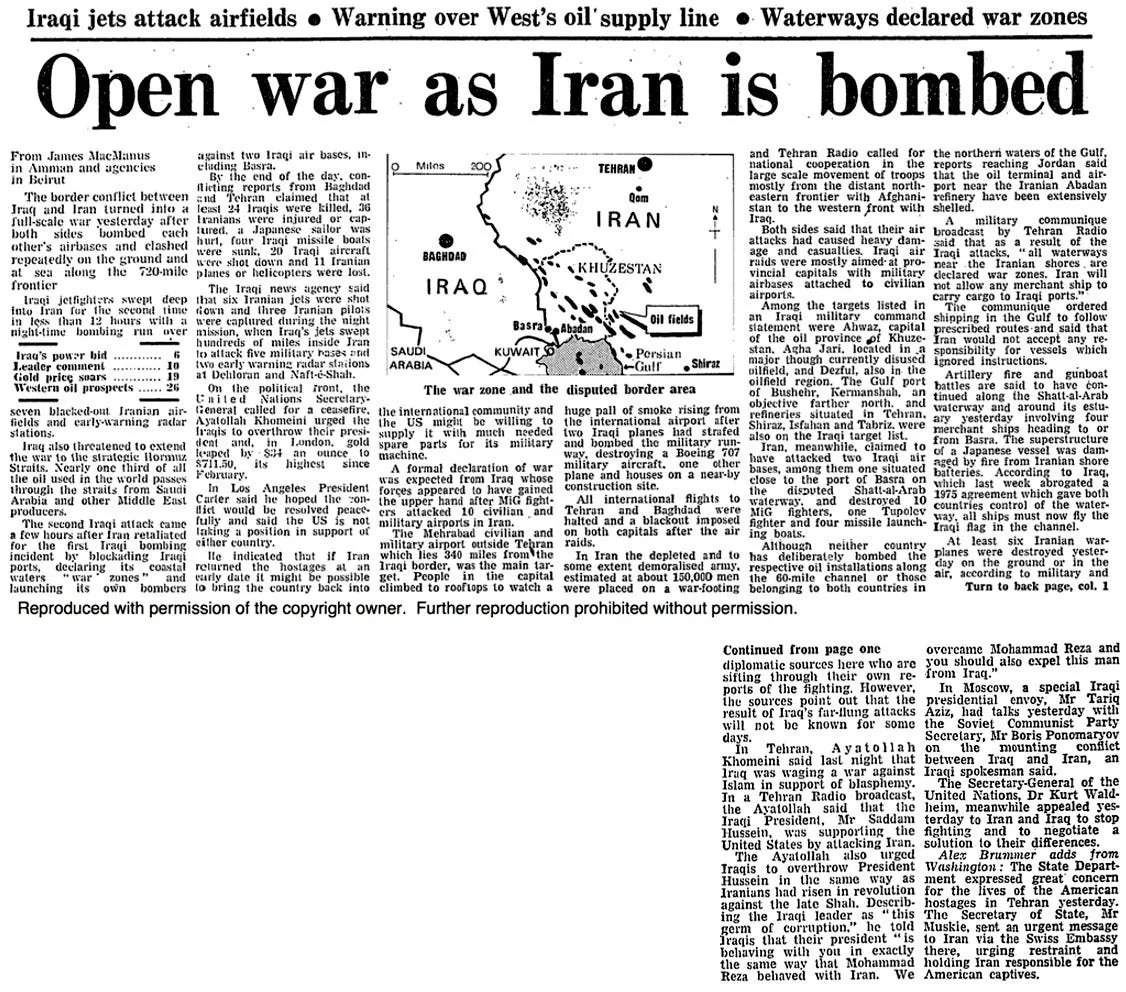
I was 15 during the hight of the Iran-Iraq war, and we had just come out of a period of intense black-outs, where sirens would alert us to incoming jet-fighters and the bombs they were planning on releasing on us. Iraq had invaded Iran, with US blessing and support. We would turn all the lights off and rush into the basement, listening to the radio while the grown-ups smoked and drank tea. After an hour, we would all go back to our apartments, being grateful the bombings didn’t hit our neighborhood.
“Hold him down!” the surgeon yelled at me.
I jumped to my feet, not realizing he was talking to me. A man, really an older boy, about 21 years in age, was rushed into the room I normally worked in, on a gurney. He was missing his right foot and part of his leg, courtesy of a landmine.
The nurses were trying to hold him down but he was actively fending them off. I put my hands on his shoulder and pressed him down, trying not to make eye contact. He was flailing about, and by his accent I could tell he was from Azerbaijan province. That’s where my father and his family are from, so I wondered if we were somehow related.
I don’t remember his face, or the names of any of the people in the room. I remember the doctor grabbing a Black & Decker drill from a table and asking us to remove his bandages. I remember thinking the drill was a mistake, as it didn’t look like an instrument of science or health. It wasn’t even sterilized or clean or medical-device looking. Just a regular, banged up power-drill.
We removed the bandages and he started to scream. He probably knew what was coming next, I didn’t. The doctor attached the drill to what appeared to be a dulled nail-head, protruding through his leg. Using the drill, he “unscrewed” and removed a metal rod from the man’s leg, about 6 inches long. Fluids, a combination of blood and god knows what, started oozing.
And I will never forget what that smelled like. My knees began to buckle and I almost fainted. My mouth was bone dry. He stopped fighting. I relaxed my hold on him, not revealing that it was actually he who was helping me stand on my feet. My part was done.
They took him away.
“With all that’s going on in Iran, how are you doing?”
This question came up several times over the past few weeks, when Israel and then the US decided to bomb Iran. I was grateful for the question, but not sure of how to answer it. Inside, I was grappling with strong contradictions, opposing views and forces. I had counted the days for the regime to topple over, but not like this, not as a distraction to the atrocities in Gaza, and not as a “victory” for American imperialism. The bombings in Iran impacted me in a way that actually brought shame, as they dwarfed the suffering in Palestine, or throughout many countries in Africa. I felt shame that someone would care to ask me how I am doing, but not have the opportunity to do the same for someone who was actually suffering more.
And I could not represent the people of Iran in that moment. I was safe, far away, having fled when I was 17. I had no right to speak, and even if I did, what would I say?
To all who have asked me this question, thank you. I am so grateful that you remember who I am, and where I come from. What I recall from living through war is that after you see images of broken buildings and cities, you are left with the smells of burning, rotting flesh.
I can’t remember faces or names, but I will not forget the smell.